

Dental Crowns & Bridges Minnetonka MN
Tooth Bridges | Artificial Tooth | Replacement Teeth
All of your teeth play an important role in speaking, chewing, and maintaining proper alignment of other teeth. Tooth loss doesn’t necessarily have to occur as you age, but if you do lose teeth they must be replaced to maintain proper function of your mouth. Fortunately, there are several options for correcting tooth loss.
At Tonka Smiles, we specialize in restoring your smile with solutions that look and feel like your natural teeth. Whether you need dental crowns or bridges, our goal is to provide dentistry that is undetectable, restoring both function and beauty.
What is a Dental Crown?
A dental crown is a cap that fits over a damaged or weakened tooth, restoring its function and appearance. It is particularly beneficial for teeth that are cracked, broken, or have significant fillings. Crowns can also provide protection for teeth after a root canal procedure. We use high-quality materials like porcelain or porcelain bonded to gold to ensure that your crown matches the color and strength of your natural teeth.
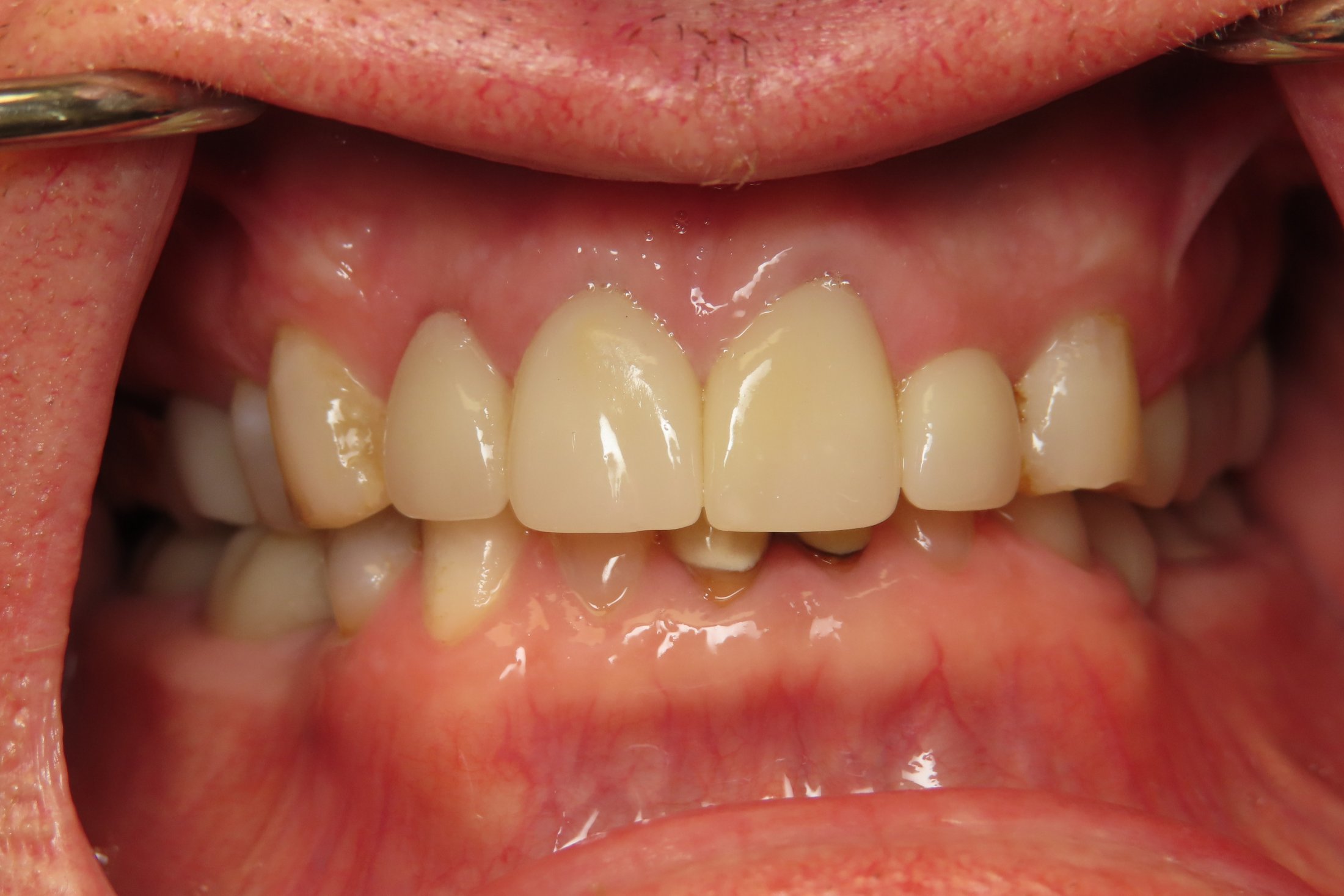
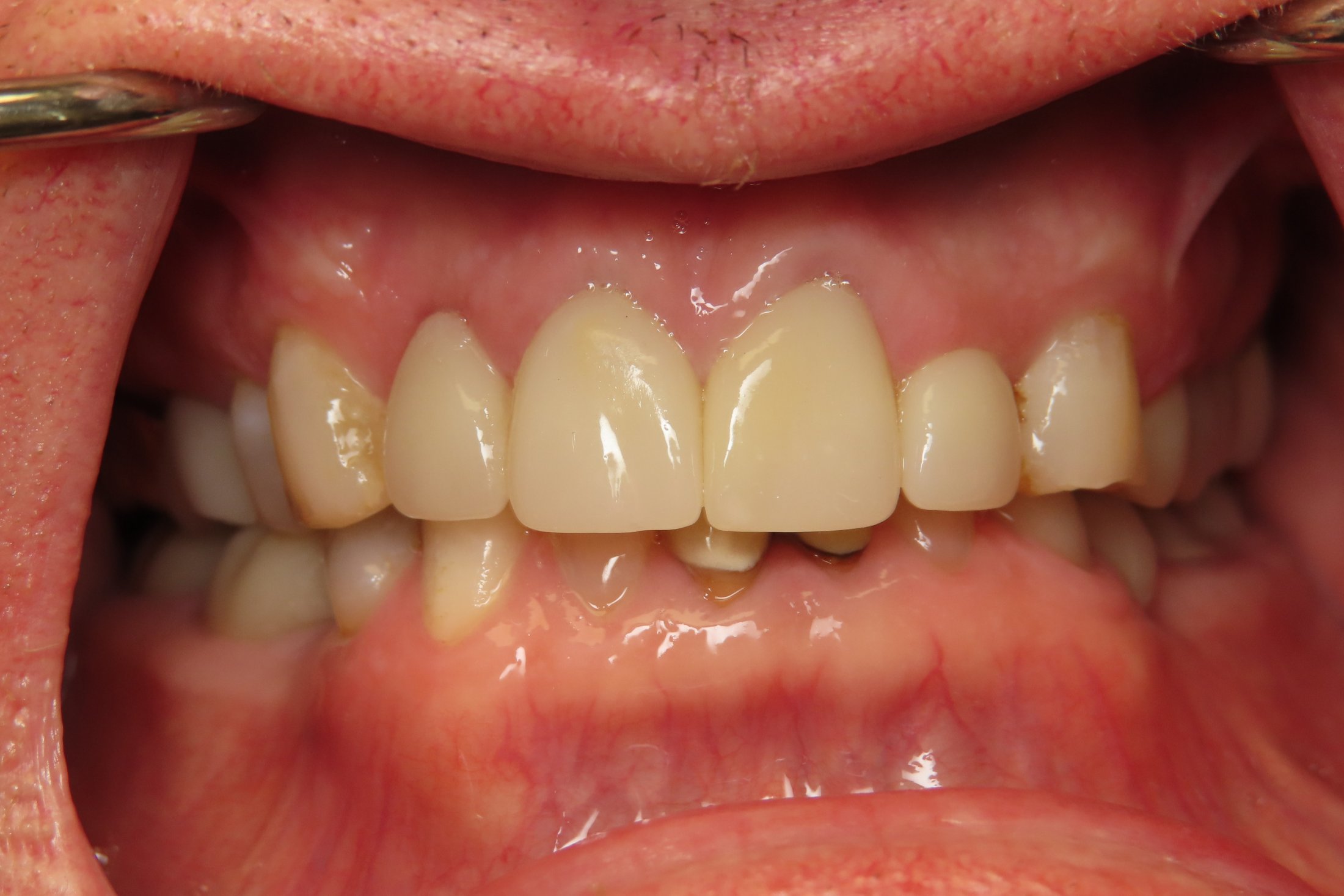
Why Might You Need a Crown?
Dental crowns are a reliable solution for major dental issues, whether they are the result of accidents, diseases, or everyday wear and tear. Common reasons for needing a crown include:
- Cracked or broken teeth, often caused by decay or injury
- Older fillings that are weakening or discolored
- Teeth with root canal fillings, which are at higher risk of breaking
- Teeth with hairline fractures that cause pain, especially when chewing
If you’re experiencing pain, or if you have teeth that are misshapen, worn, or prone to fracture, dental crowns can restore function and provide long-lasting protection.
The Dental Crown Procedure: What to Expect
Getting a dental crown typically requires two visits. During the first visit, we will remove any decay, shape the tooth to prepare for the crown, and place a temporary crown to protect your tooth. We will also take digital impressions to ensure a precise fit for the final crown.
At the second visit, we will remove the temporary crown, check the fit and appearance of the permanent crown, and cement it in place.
Does Getting a Crown Hurt?
No, the process is painless. We numb the area with local anesthesia to ensure you’re comfortable throughout the procedure. As the anesthesia wears off, you may experience mild discomfort, which can be managed with over-the-counter pain relief.
How Long Does It Take to Fit a Crown?
Typically, you will need at least two visits. The first appointment takes about an hour, and the second visit is used to place and adjust the permanent crown.
Key Benefits of Dental Crowns
- Protects weakened or cracked teeth from further damage
- Prevents fractures that could lead to tooth loss
- Provides support for misshapen or broken teeth
- Blends with your natural teeth
- Improves both function and aesthetics
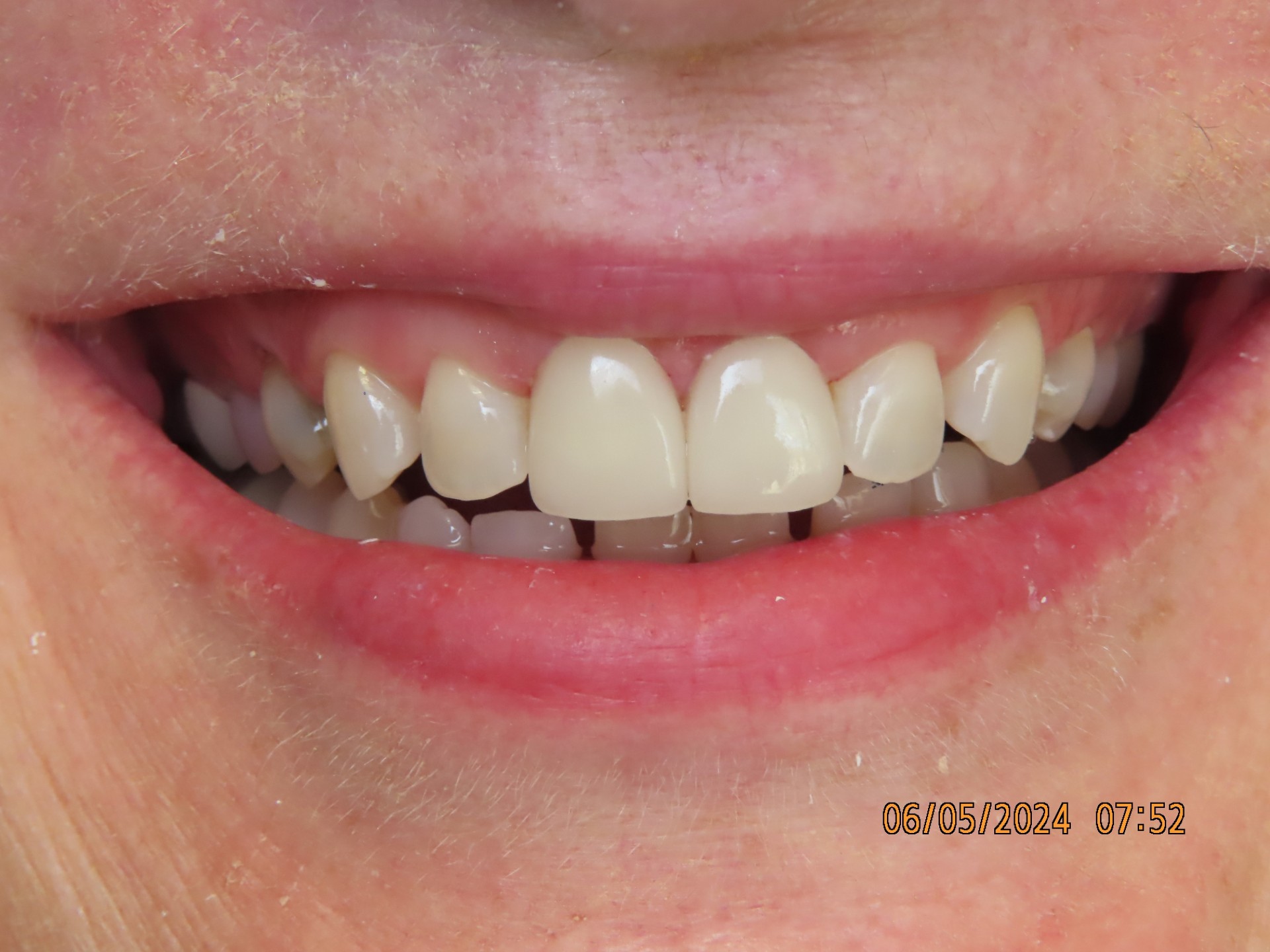
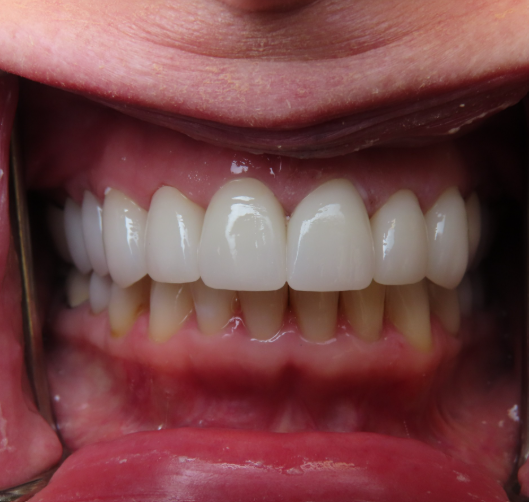
Can I Eat After Getting a Crown?
After your crown placement, wait about 30 minutes before eating or drinking. Avoid hard or sticky foods for the first 24 hours.
What is a Dental Bridge?
A dental bridge is a device used to replace missing teeth by attaching artificial teeth to adjacent natural teeth, called abutment teeth.
Fixed bridges utilize adjacent teeth as anchors to support the replacement tooth that rests over the gums of the missing tooth.
If you’re missing one or more teeth, you may be aware of their importance to your appearance and dental health. Your teeth work together for many daily functions from eating to speaking. Missing teeth can and should be replaced. Fixed bridges are a great way to restore your dental health and appearance.
What Exactly is a Dental Bridge?
A bridge (fixed partial denture) is a device that fills the gap where teeth are absent. Fixed bridges are bonded into place and can only be removed by a dental professional.
Why Do I Need a Dental Bridge?
Oral functionality and appearance are important reasons for wearing a bridge. A bridge helps support your lips and cheeks and prevents facial sagging.
Dental health is the most important reason. Missing teeth can cause stress on gums and surrounding tissues, increasing the risk of complications.
Missing teeth can also increase the risk of gum disease and lead to speech difficulties.
How is a Dental Bridge Attached?
The procedure usually takes two or three appointments. Teeth on either side of the gap are prepared, impressions are taken, and a custom bridge is fabricated.
Bridges are cemented to adjacent teeth, and a pontic replaces the missing tooth. Dental crowns provide support for the bridge.
What Materials Are Used for Dental Bridges?
Bridges can be made from gold alloys, non-precious alloys, porcelain, or a combination of materials.
How Do I Take Care of My Bridge?
A strict regimen of brushing and flossing is essential, as the bridge relies on neighboring teeth for support.
Contact Us for a Natural-Looking Smile Restoration
If you have damaged or missing teeth, Tonka Smiles offers advanced solutions to restore your smile. Our experienced team combines expert care with the latest technology.
For more information or to schedule a consultation, call Tonka Smiles Phone Number 952-938-8533.