

Dentures in Minnetonka MN
A denture or a complete denture as it is often called, is an appliance that is inserted in the mouth, replaces natural teeth and provides support for the cheeks and lips.
Most dentures are made of acrylic and can be fabricated in two different ways.
- A conventional denture is made after all teeth have been extracted and the tissues (gums) have healed.
- An immediate denture is fabricated and inserted immediately after the teeth are extracted and the tissues are allowed to heal under the denture.
- An upper denture has acrylic, usually flesh colored, that covers the palate (roof of the mouth).
- A lower denture is shaped like a horseshoe to leave room for the tongue.
The teeth are made of plastic, porcelain or a combination of both. Dentures can be fabricated to fit over endodontically treated teeth and a complete denture can be attached to dental implants to allow for a more secure fit of the appliance.
Dentures over a normal course of time will wear and need to be replaced or relined in order to keep the jaw alignment normal. The alignment will slowly change as the bone and gum ridges recede or shrink due to the extraction of the teeth. Regular dental examinations are still important for the denture wearer so that the oral tissues can be checked for disease or change.
Denture Exams & Maintenance
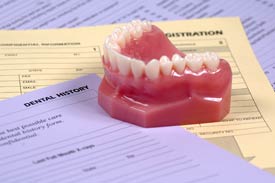 Your dentures are an investment and require care and attention to maintain their optimum performance. The fit of your dentures will have a profound affect on your oral tissues and health. An annual examination by Dr. Phillips or Dr. Neitzke will help ensure your denture is functioning properly.
- Medical and Dental History Update: Updating your medical and dental history with any significant changes is critical to maintaining your oral health and well-being. A variety of medical and dental conditions can alter a dentures fit.
- Annual Oral Exam: Annual examinations can assist in detecting oral abnormalities including cancerous and pre-cancerous lesions. Early detection of these conditions is generally beneficial for treatment.
- Tissue and Bone Assessment: Ill-fitting dentures may cause bone and tissue changes and need to be corrected for your oral health. Our practice can assess and recommend solutions to suit your personal needs.
- Comfort, Fit, and Integrity of Dentures: Bite problems, speech impediments and tissue irritations can be caused by an ill-fitting denture and should be remedied. Leaving this condition unchecked can lead to complicated situations in the future. Drs. Phillips and Neitzke can assess your dentures for cracks, chips, and broken or loose teeth and suggest solutions.
Denture Exam Overview
- Update of medical and dental history chart
- An examination of your oral cavity
- Tissue and bone assessment
- Denture stability and bite examination
- Cleaning and polishing of your denture
- Oral hygiene review
Frequently Asked Questions about Dentures:
- How long do dentures last? Dentures can last between 5 to 10 years with proper care. Over time, they may need adjustments or replacement due to wear and tear, changes in your mouth structure, or the natural aging process.
- Are dentures uncomfortable? Initially, dentures may feel uncomfortable as your mouth adjusts. However, with time, most people get used to them. If discomfort persists, it’s important to visit your dentist for adjustments to improve the fit.
- Can I eat normally with dentures? Yes, you can eat with dentures, but it may take some time to adjust. Start with softer foods and gradually return to your regular diet. It’s important to avoid sticky or hard foods that could damage the dentures.
- How should I care for my dentures? Clean your dentures daily by brushing them with a soft toothbrush and denture cleanser to remove food particles and plaque. Soak them overnight in a denture solution to keep them moist and prevent warping. Regular dental check-ups are also important.